

Our Blog
What Growing Companies Should Look for in Their First Office
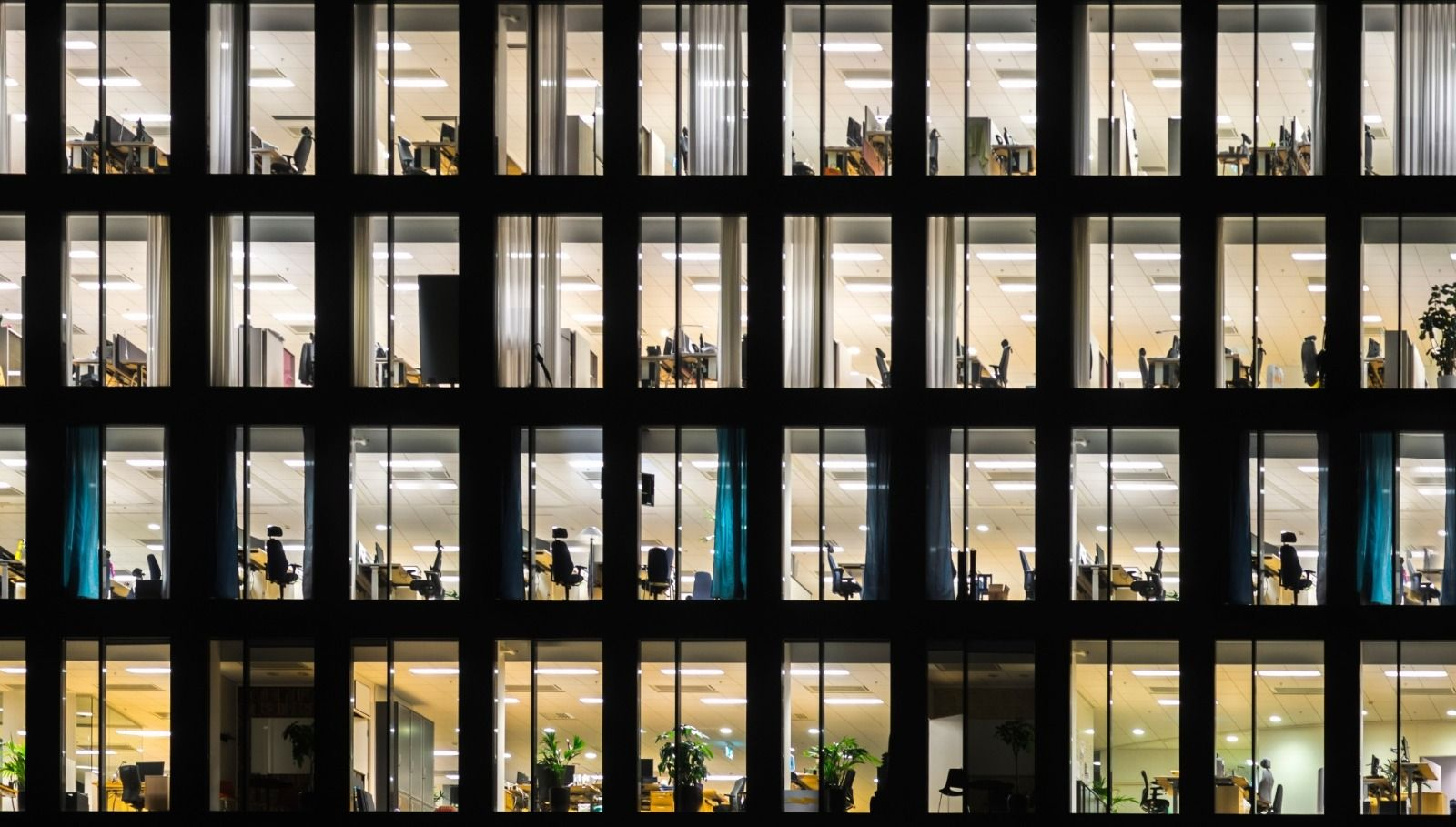
For any growing company, moving into a first office is a major milestone. It signals progress, credibility, and the shift from a small startup setup to a more structured business environment. But choosing the right office space is about much more than finding desks and meeting rooms. It is a strategic decision that can influence productivity, employee satisfaction, operational efficiency, and long-term growth.
Today’s businesses are rethinking what an office should offer. Modern companies now value flexibility, employee experience, technology, and scalability more than rigid layouts and traditional long-term leases. As hybrid work continues to shape workplace expectations, the first office must support both present operations and future expansion.
Prioritize Scalability
One of the most common mistakes growing businesses make is choosing an office based only on current team size. A workspace that feels suitable today may quickly become restrictive as the company expands.
Instead of focusing only on square footage, businesses should prioritize scalability. The ideal office should allow room for additional employees, new teams, and evolving operational needs without requiring an immediate relocation. Flexible office spaces and managed workspaces are increasingly preferred because they make it easier to scale without major infrastructure investments.
Location Matters
Office location has a direct impact on employee experience, client perception, and overall business efficiency. While premium business districts may offer strong brand value, companies must balance prestige with accessibility and cost.
Employees today place high importance on convenience and shorter commute times. When evaluating office locations, businesses should consider public transport access, parking availability, nearby amenities, safety, and overall connectivity. A well-located office not only improves employee satisfaction but also strengthens business visibility and client confidence.
Focus on Productivity and Well-Being
Modern offices are no longer designed purely for function. Companies increasingly understand that the workplace environment affects productivity, creativity, and retention.
A well-planned office should include natural lighting, proper ventilation, ergonomic workstations, quiet zones, collaborative areas, and spaces for relaxation. These elements create a healthier and more comfortable work environment and help employees stay focused and motivated throughout the day. In competitive industries, workplace experience can also play an important role in attracting and retaining talent.
Choose Flexibility Over Risk
Traditional office leases often involve high upfront costs, long lock-in periods, and significant operational responsibility. For growing businesses, this can limit financial flexibility and slow expansion.
Managed office spaces are becoming a practical choice for startups, SMEs, and expanding companies because they offer convenience, predictable costs, and scalability. These spaces usually include furnished setups, internet connectivity, IT infrastructure, housekeeping, meeting rooms, reception support, security, and utilities. This allows businesses to focus on growth rather than day-to-day facility management.
Technology Is Essential
In a digital-first business environment, office technology is just as important as physical space. Poor internet connectivity, outdated meeting systems, and weak IT support can interrupt communication and reduce efficiency.
Modern offices should be equipped to support seamless collaboration between in-office and remote teams. High-speed internet, smart meeting rooms, video conferencing systems, secure access, and cloud-friendly infrastructure are now essential for business continuity and productivity. For growing companies, technology readiness should be a non-negotiable requirement.
Culture Should Guide Design
An office is more than a workplace. It reflects the company’s values, culture, and identity. The design and atmosphere of the office influence how employees interact, collaborate, and connect with the organization.
Businesses should choose spaces that align with the way their teams work. Creative teams may benefit from open collaborative layouts, while tech teams may need quiet focus areas and innovation zones. Client-facing businesses may place greater importance on premium meeting rooms and professional reception spaces. A workspace that supports company culture can improve engagement and strengthen brand image.
Look Beyond Rent
Many businesses underestimate the true cost of office space. Rent is only one part of the overall expense. Traditional office setups often come with additional costs such as furniture, utilities, internet, maintenance, cleaning, security, and office administration.
Flexible and managed office models help reduce these hidden expenses through bundled pricing structures. Before finalizing an office, companies should evaluate the total cost of occupancy rather than focusing only on monthly rent. This creates a clearer picture of long-term financial impact.
Think Long Term
A company’s first office often shapes how it grows and operates in the future. That is why decisions should not be based only on short-term convenience or lower initial costs.
The right workspace should support future expansion, changing work models, employee experience, operational efficiency, and brand positioning. As workplace expectations continue to evolve, office spaces are becoming strategic business assets rather than fixed overheads. Companies that invest in flexible, scalable, and employee-focused workspaces are better positioned for sustainable growth.
Conclusion
Choosing a first office is one of the most important decisions a growing company will make. The right workspace can improve productivity, strengthen company culture, attract talent, and support long-term business objectives. The wrong choice can create operational challenges, financial pressure, and limitations on growth.
Today’s businesses need office spaces that are flexible, technology-enabled, employee-centric, and scalable. Whether through managed offices, flexible workspaces, or hybrid-ready environments, companies are increasingly choosing agility and experience over traditional office models. For growing businesses, the first office should not only serve the team of today but it should also support the growth of tomorrow.

Aakash Jain