

Our Blog
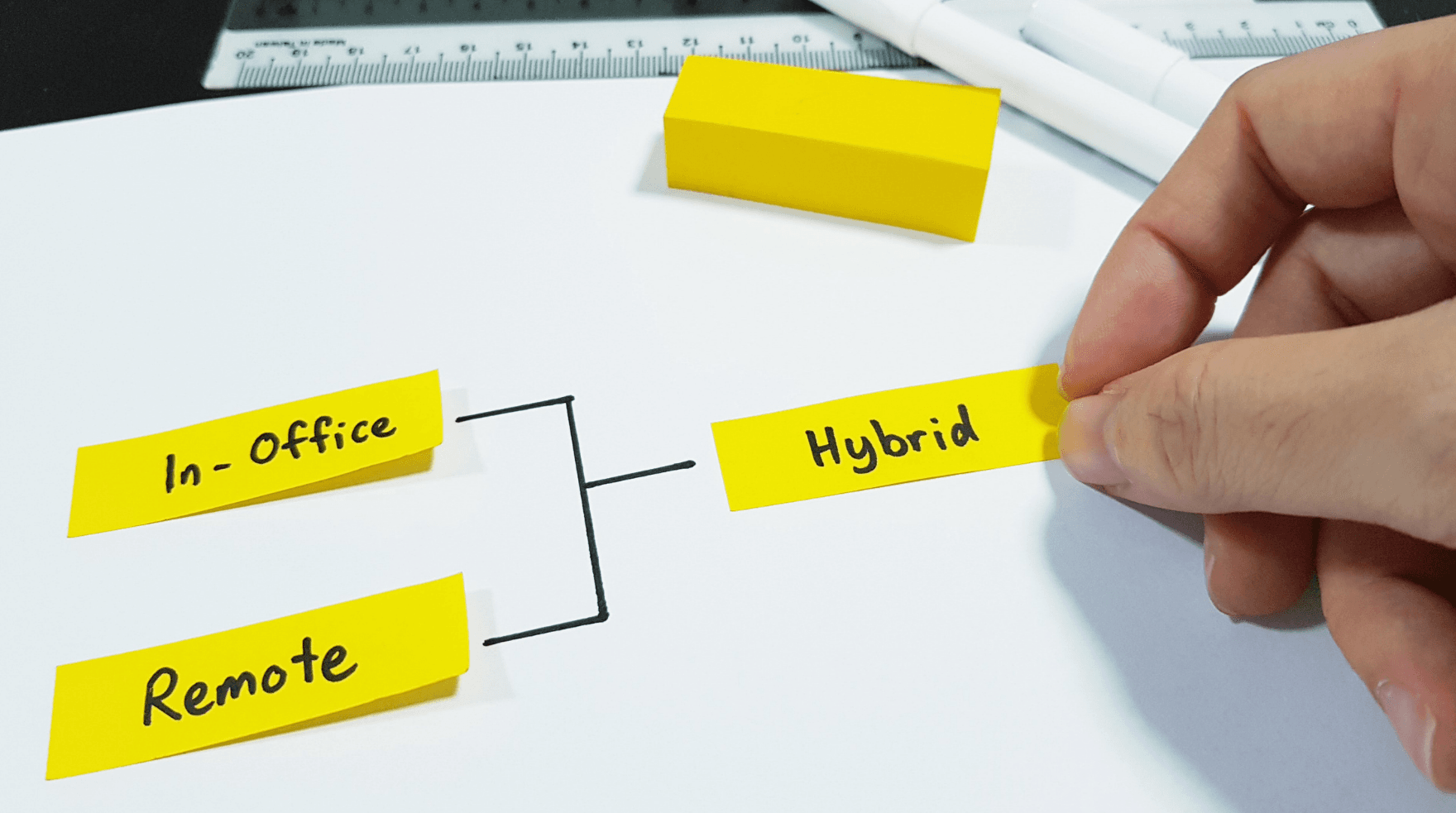
Hybrid work cut the number of days people sit at a desk. AI is changing what they do when they get there. In India, where office demand is closely tied to technology services and global capability centres, it's easy to assume AI spells trouble for office space. The 2026 evidence doesn't really support that. It points to a more interesting answer: not necessarily less space, but different space, used more carefully.
That distinction matters for anyone signing or renewing a lease right now, because the winners will be decided by how space is used rather than how much of it exists.
India Office Occupier Survey, based on responses from more than 200 CXOs gathered between April and June, found that 93% of firms are at some stage of AI implementation. Yet 57% say AI has had no measurable impact on their leasing strategy so far, and 64% hold a neutral-to-positive view of AI's effect on total workforce size.
That doesn't mean AI is irrelevant. Evolving AI automation dynamics ranked as the top factor expected to influence leasing over the next 12 to 24 months. Occupiers are watching, but few have reached firm conclusions. In the same survey, 77% expect their India portfolios to grow over the next two years. Treat that as a snapshot, not a verdict. Surveys capture intentions at one moment, and the same respondents say the picture could shift within two years.
Global capability centres are the engine. In Q3 2026 they leased 9.1 million sq ft, about 42% of gross leasing. The year-to-date figure is 25.3 million sq ft of GCC leasing, or 39% of the total, with Bengaluru, Chennai and Pune especially active. The number of GCCs has grown nearly 32% since FY21, with 506 Global 2000 companies operating centres in India.
These centres are moving up the value chain. India's AI and machine-learning workforce inside GCCs nearly doubled from 122,000 in 2023 to an estimated 250,000 in 2026. It is projected around 79 million sq. ft of extra demand by 2030 from AI-led expansion. That sponsorship means it deserves some scepticism, but it shows how the industry reads the trend. The same report says 86% of GCCs expect net headcount growth, though that is an expectation, not a guarantee.
The upside isn't evenly spread. In Bengaluru and Pune, GCCs make up roughly 65% of leasing, which is a lot of weight on one type of tenant. US-headquartered businesses accounted for 73% of GCC leasing in Q1 2026.
Crisil Ratings expects net leasing to grow 6-7% this fiscal, but flags exposure to disruption in IT and IT-enabled services from AI, which could affect hiring and expansion, along with tariff and geopolitical uncertainty that may affect GCC plans. A market this dependent on a few decisions made overseas can turn quickly.
Inspite of AI entry, hybrid isn't going away. Unispace reports global office attendance falling from 3.7 days a week in 2024 to 2.9 in 2025, and says Indian employees spend about 52% of their working hours in the office. That keeps average use well below peak use, so companies still need room for the busy days and flexibility for the slow ones.
Keep this in mind when reading AI headlines. Even if AI changes which jobs exist and where they sit, the weekly rhythm of hybrid attendance remains.
The complex problem-solving now makes up 38.1% of GCC work portfolios. That kind of work tends to be collaborative, which suggests more demand for meeting rooms, project areas and focus space, and less for rows of fixed desks. Premium campuses are still filling: Embassy REIT reported 93% occupancy by value in April-June 2026.
Flexibility is part of the answer. Flex operators leased 3.5 million sq ft in Q3 2026 and 11.9 million sq ft in the first nine months, a 42% annual increase. If you can't be sure how AI will change your headcount, flexibility is worth paying for.
AI is also useful for running the space itself, through utilization monitoring and analytics that show which areas earn their keep.
For most companies, smarter. Don't assume AI means a smaller office, because for collaborative, high-judgment roles it may make in-person time more valuable. Don't assume it means a bigger one either, since growth at AI-heavy firms is real but concentrated.
The sensible move is to test your footprint against fast-growth, flat and shrinking headcount scenarios, and favor leases that hold up in all three. The companies that come out ahead will be the ones that understand how their space is actually used. Those that plan around headcount alone will probably overbuild in some places and run short in others. In practice that means asking each business unit what its AI plans imply for roles, collaboration and attendance, rather than extrapolating from a single headline number.

Mr. Aakash Jain
Director